
F14 Plywood Compared: What Actually Matters
Buying structural sheet goods in Australia is weirdly stressful. Everyone says “just get F14” like it is one simple thing, but F14 plywood can show up with different stamps, different faces, different cores, and honestly, pretty different behaviour once it is on site.
This is a practical comparison of what actually matters when they are choosing F14 plywood for floors, roofs, bracing, formwork, or general structural work. Not theory. Just the stuff that tends to bite later.
What does “F14” actually mean on plywood in Australia?
It means the panel has been graded to an F14 stress grade, which is a measure of structural capacity used in Australia. They are basically buying a sheet that should perform to that strength level when installed correctly.
But it does not automatically mean it is the same product across mills. F14 plywood can vary in bond type, veneer quality, thickness tolerance, and face grade.
Is F14 plywood the same as structural plywood?
Not always, but it usually overlaps. Structural plywood refers to plywood manufactured and certified for structural use, typically to Australian standards with appropriate branding and traceability.
They should still check the stamp for structural compliance details, not just the big F-number. Some F14 plywood is clearly branded for structural applications, while other stock might be sold with limited clarity unless they read the fine print.
What should they check on the sheet stamp before comparing price?
They should look for the manufacturer or mill ID, the standard referenced (Australian), the bond classification, thickness, stress grade, and any treatment or durability marking.
If the stamp is faint or missing, that is already a comparison result. For F14 plywood, traceability matters because it is how they know it is actually graded, not just described on an invoice.
Does thickness consistency matter as much as grade?
Yes, especially for floors and roofing where they are relying on tight sheet joins and predictable stiffness. Two sheets both sold as “17 mm” can feel different if one is consistently under thickness.
On Australian job sites, this shows up as lipping, squeaks, or uneven finishes. With F14 plywood, they are paying for performance, so thickness tolerance is part of that performance.
How do face grades change what they are really buying?
Face grade affects appearance, patching, and surface integrity, but it also hints at how carefully the panel was made. A cleaner face does not guarantee a better core, but messy faces sometimes correlate with more voids and repairs.
If they are using F14 plywood for flooring under coverings, a utility face may be fine. For exposed linings or painted applications, face grade suddenly matters a lot.
Are core voids a real issue in F14 plywood?
Yes, because voids affect screw holding, edge strength, and how the sheet behaves when they cut it or load it. Voids can also create soft spots that feel like “cheap plywood”, even when the stamp says otherwise.
They can spot some of this by looking at the sheet edge before purchase. With F14 plywood, fewer voids usually means fewer surprises when they fix and load it.
Which bond types matter for Australian conditions?
They should care about whether the glue bond suits moisture exposure. Many structural panels use exterior type bonds suitable for typical Australian building conditions, but “exterior bond” does not mean the timber itself is waterproof.
In coastal NSW, South East Queensland, or wet Tassie sites, the wrong assumption causes swelling at edges. F14 plywood still needs correct sealing and installation gaps.
Is treated F14 plywood worth it for termites and decay?
In termite-prone areas like Brisbane, the Gold Coast, or regional Queensland, treatment can be a big deal, but it depends on where the panel sits in the build. Not every internal floor sheet needs treatment, and not every treated sheet is treated for the same hazard.
They should match treatment level to the exposure and local requirements. Paying extra for F14 plywood treatment only makes sense if it is actually reducing a real risk.
How does F14 plywood compare for flooring in Australian homes?
For flooring, they should prioritise stiffness, thickness accuracy, and reliable fixings. A good sheet feels consistent, edges stay stable, and it holds nails or screws without crumbling.
If they are laying over joists in a standard Australian timber frame, F14 plywood is often chosen because it hits a familiar strength point. But they still need to confirm span tables and installation method, not just the grade.
What about F14 plywood for bracing walls?
For bracing, they should care about certification, panel orientation, fixing schedule compatibility, and whether the product is recognised in the bracing system they are using. A strong sheet installed wrongly is still wrong.
They should also be careful about mixing panel types across the same bracing line. F14 plywood works well when it is part of a documented bracing approach, not a guess.
See Also : What Formply Actually Involves
Is F14 plywood good for concrete formwork?
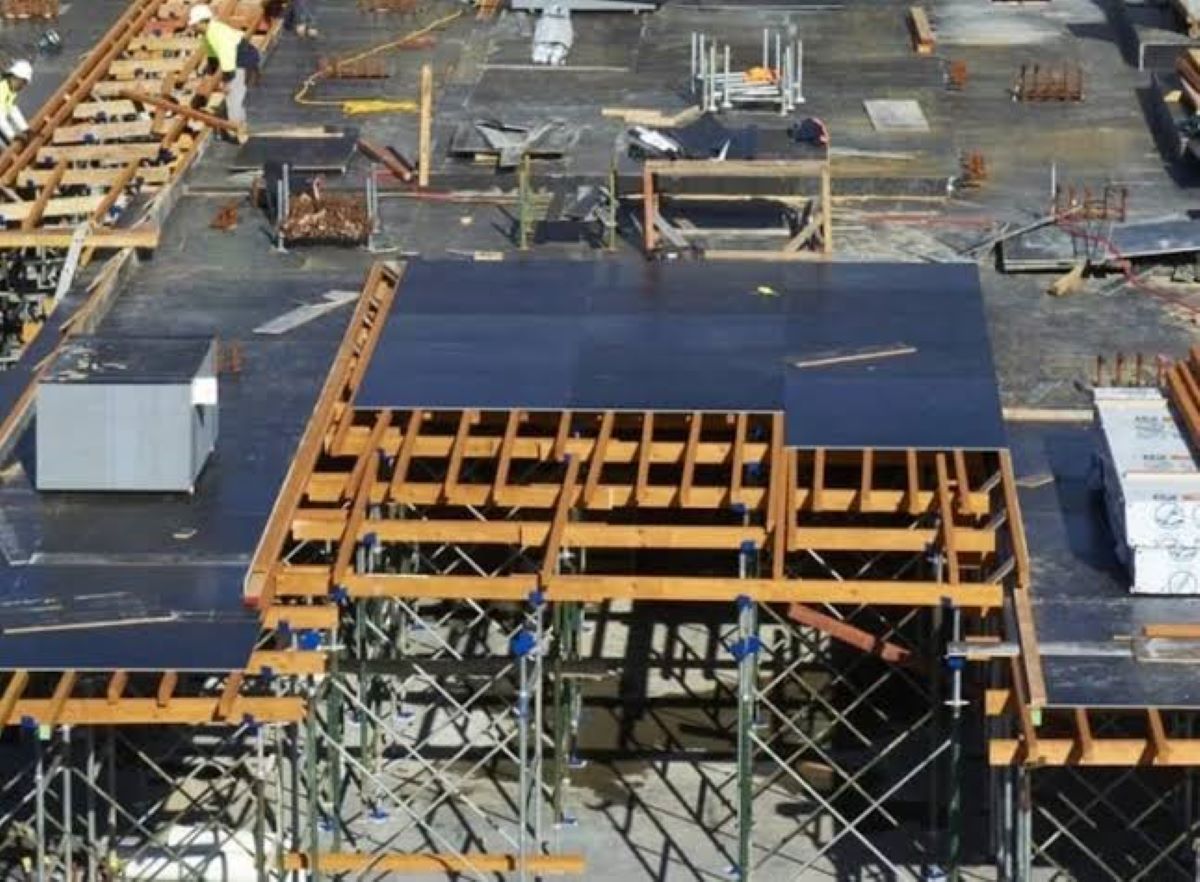
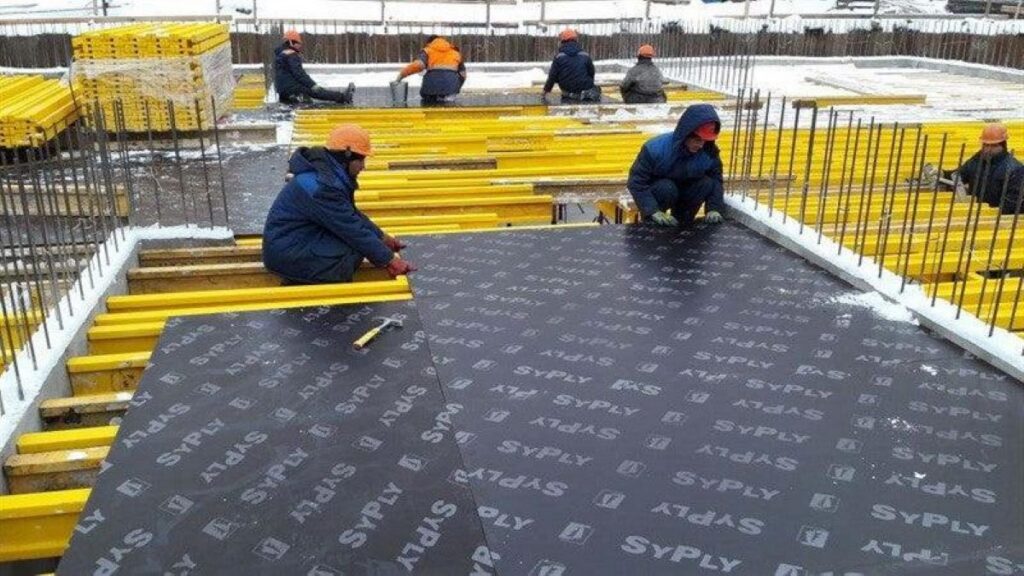
It can be, but “good” depends on the face, the overlay (if any), and how many reuses they expect. Plain structural plywood can work for basic formwork, but it tends to mark, wear, and delaminate sooner than purpose-made formply.
If they need a clean finish and multiple pours, they should look at formply products rather than assuming F14 plywood automatically equals formwork-ready.
Should they trust brand names, or just compare specs?
They should compare specs first, then use brand reputation as a tie-breaker. In Australia, supply chains vary, and two packs labelled similarly can still behave differently if they come from different runs or storage conditions.
A reliable supplier who stores panels well and rotates stock can matter as much as the mill. When they buy F14 plywood, they are also buying the handling history.
How much does sheet size and edge quality affect real outcomes?
More than people admit. Poorly cut edges create gaps, uneven joints, and extra labour. Slightly out-of-square sheets slow down installs and compound layout errors across rooms.
For roofs and floors, clean factory edges speed everything up. With F14 plywood, the hidden cost is often time, not the invoice line.
What is the simplest way to compare F14 plywood in-store?
They should do three quick checks. First, read the stamp properly. Second, sight down the sheet for warp and twist. Third, look at the edge for voids and consistent veneer layers.
If possible, they should lift two sheets from different packs and compare weight and stiffness. F14 plywood that feels flimsy compared to another is telling them something, even before numbers.
When should they choose something other than F14 plywood?
They should choose a different product when the job is about surface finish, moisture exposure, or repeated formwork use. For cabinetry or fine interiors, they might want a different plywood grade entirely. For wet areas, they may need a product designed for that exposure.
They should also consider engineered flooring products if the goal is flatness and speed. F14 plywood is strong, but strength is not the only requirement in real Australian builds.
What is the takeaway: what actually matters most?
They should prioritise certification clarity, thickness consistency, low void content, correct bond and treatment for the site, and sheets that are straight and square. Price matters, but it should come after those checks.
If they focus only on the “F14” label, they miss the stuff that changes install time and long-term performance. That is the real comparison. That is what actually matters when they are buying F14 plywood.
FAQs (Frequently Asked Questions)
What does the F14 rating mean on plywood in Australia?
The F14 rating indicates that the plywood panel has been graded to an F14 stress grade, which measures its structural capacity according to Australian standards. It means the sheet should perform to that strength level when installed correctly, but variations can exist between different mills regarding bond type, veneer quality, thickness tolerance, and face grade.
Is F14 plywood always the same as structural plywood?
Not always. While structural plywood is manufactured and certified for structural use under Australian standards with proper branding and traceability, not all F14 plywood is clearly branded for structural applications. It’s important to check the stamp for structural compliance details rather than relying solely on the F-number.
What key details should I check on the stamp before buying F14 plywood?
You should verify the manufacturer or mill ID, the Australian standard referenced, bond classification, thickness, stress grade (F14), and any treatment or durability markings. A faint or missing stamp is a red flag since traceability ensures the panel is genuinely graded and compliant.
Does thickness consistency affect the performance of F14 plywood?
Yes, especially for floors and roofs where tight joins and predictable stiffness are crucial. Sheets both labelled as ’17 mm’ may differ in actual thickness; inconsistencies can cause lipping, squeaks, or uneven finishes on site. Thickness tolerance is part of delivering the performance you pay for with F14 plywood.
How do face grades impact what I’m really buying in F14 plywood?
Face grade influences appearance, patching requirements, and surface integrity. While a cleaner face doesn’t guarantee a better core, messy faces can correlate with more voids and repairs. For flooring under coverings, a utility face might suffice; however, for exposed linings or painted surfaces, higher face grades become important.
Are core voids a significant concern in F14 plywood panels?
Yes. Core voids can weaken screw holding capacity, edge strength, and overall behaviour under load or cutting. They may create soft spots that feel like cheap plywood despite an F14 stamp. Inspecting sheet edges before purchase helps identify panels with fewer voids and reduces surprises during installation.