
JSP Design & Building Contractors

Archives March 2026

4 Signs You Need Air Conditioning Repairs Hills District Before Peak Summer

4 Signs You Need Air Conditioning Repairs Hills District Before Peak Summer

If a household notices any of the signs below, booking air conditioning repairs in the Hills District before the first heatwave can reduce downtime, protect the system, and avoid emergency callouts when demand spikes.

Is the air conditioner blowing warm or weak air?

If the vents feel lukewarm or airflow has dropped, they likely need repairs or at least a professional diagnosis. This is one of the most common “early warning” signs before a summer failure.

Warm or weak air can point to blocked filters, duct leaks, a failing fan motor, low refrigerant, or an issue with the outdoor unit. It can also indicate a system that is struggling to keep up because parts are worn. Even if it “sort of works,” it often runs longer, costs more, and cools less.

4 Signs You Need Air Conditioning Repairs Hills District Before Peak Summer

Are power bills rising even though usage has not changed?

If energy costs jump without a clear reason, the air conditioner may be losing efficiency and working harder to deliver the same comfort. That extra load is often a sign something is not operating correctly.

Dirty coils, clogged filters, failing capacitors, refrigerant issues, and poor airflow can all increase run time. In the Hills District, that becomes more obvious as days warm up, because the system has less margin for error. A repair visit can identify the fault before it turns into a bigger component failure.

Is the system making unusual noises or cycling on and off?

Unusual sounds such as grinding, rattling, buzzing, banging, or persistent clicking are strong indicators that air conditioning repairs Hills District residents may require are not far off. These noises typically signal a loose, worn, or failing component. Abnormal sound patterns should not be categorised as “standard operating noise,” even if the unit continues to produce cool air.

Short cycling, where the system switches on and off in rapid succession, is another critical trigger for air conditioning repairs Hills District property owners should address promptly. This behaviour can stem from thermostat calibration issues, electrical faults, airflow restrictions, or an oversized or stressed system. Left unresolved, short cycling accelerates wear, compromises comfort delivery, and significantly increases the risk of system failure during peak summer demand.

Are there leaks, smells, or humidity problems indoors?

If they see water pooling, notice musty smells, or feel the home staying sticky, the unit may need repairs to its drainage, coil, or ventilation performance. These issues can affect comfort and indoor air quality.

Water leaks often come from blocked condensate drains, cracked drain pans, or icing caused by airflow or refrigerant problems. Musty odours can point to moisture buildup in the system or dirty internal components. And if the air feels humid even while the unit runs, it may not be dehumidifying correctly, which can be tied to airflow, sizing, or mechanical faults.

What should they do before peak summer arrives?

They should book a qualified technician as soon as the first signs appear, rather than waiting for a total shutdown. Early repairs are usually simpler, faster, and less disruptive.

A good service call typically includes checking refrigerant performance, electrical components, coil condition, drainage, airflow, thermostat operation, and overall system health. If repairs are needed, scheduling them before peak summer also improves the chances of parts availability and quicker appointment times.

4 Signs You Need Air Conditioning Repairs Hills District Before Peak Summer

FAQs (Frequently Asked Questions)

What are common signs that my air conditioner in the Hills District needs repairs?

Common signs include the air conditioner blowing warm or weak air, rising power bills despite unchanged usage, unusual noises or frequent cycling on and off, as well as leaks, musty smells, or indoor humidity problems. Noticing these early can help you book air conditioning repairs before peak summer.

Why is my air conditioner blowing lukewarm or weak air?

Lukewarm or weak airflow often indicates issues like blocked filters, duct leaks, a failing fan motor, low refrigerant levels, or problems with the outdoor unit. These symptoms suggest your system may be struggling due to worn parts and requires professional diagnosis and repair.

How can rising power bills indicate an air conditioning problem in the Hills District?

If your energy costs increase without a change in usage patterns, it may mean your air conditioner is losing efficiency and working harder to maintain comfort. Causes can include dirty coils, clogged filters, failing capacitors, refrigerant issues, or poor airflow—all of which warrant timely repairs.

What do unusual noises or frequent cycling mean for my AC system?

Grinding, rattling, buzzing, banging noises or persistent clicking usually signal loose or worn parts starting to fail. Short cycling—where the unit turns on and off rapidly—can be caused by thermostat issues, electrical faults, airflow restrictions, or an oversized system. Both conditions increase wear and risk breakdowns during hot periods.

How do leaks, smells, or humidity problems relate to AC performance?

Water pooling indoors often stems from blocked condensate drains, cracked drain pans, or icing due to airflow or refrigerant problems. Musty odors indicate moisture buildup or dirty internal components. Excess indoor humidity despite running AC suggests poor dehumidification linked to mechanical faults or improper sizing—each requiring professional repair.

When should I schedule air conditioning repairs in the Hills District?

It’s best to book a qualified technician as soon as you notice any warning signs rather than waiting for a complete breakdown. Early repairs are simpler and less disruptive. A thorough service includes checking refrigerant levels, electrical parts, coil condition, drainage systems, airflow quality, thermostat function, and overall system health to ensure reliable cooling before peak summer heat.

naked link Choosing the Right Air Conditioner Sydney Homes Need in 2026

Property Investment Companies Melbourne

Top Property Investment Companies Melbourne For High Income Professionals

This guide explains what these companies do, who they suit, how they are paid, what to ask, and how to shortlist the best fit.

What do property investment companies in Melbourne actually do?

Property investment companies Melbourne help clients build a property portfolio using a defined strategy, often across Melbourne and interstate. In practice, they may provide suburb research, property selection, negotiation, finance introductions, and ongoing portfolio reviews.

Some operate like buyer’s agents, others act as “investment strategists” who also sell new builds. The difference matters because it changes incentives, fees, and the quality of the options presented.

Property Investment Companies Melbourne

Which types of companies should high income professionals consider?

They usually fall into four buckets, and each suits a different level of time, complexity, and risk tolerance. High income professionals typically prefer models that reduce time costs and improve decision quality.

The most common options are buyer’s agents, independent investment advisors, project marketers, and full service “portfolio builders” that bundle strategy, finance, and accounting referrals.

What’s the difference between a buyer’s agent and a property investment company?

A buyer’s agent is typically paid to find and negotiate a property that meets a brief, and they should be clear about their fee and any conflicts. A broader “investment company” may do strategy and sourcing, but sometimes earns money from developers or builders.

For high income professionals, the safest starting point is understanding who pays them and whether the recommended property is truly open market or a limited channel deal.

How do these companies get paid, and why does it matter?

They may charge a flat fee, a percentage of purchase price, a retainer plus success fee, or earn commissions from developers. This matters because commissions can bias recommendations toward specific stock, locations, or build types.

High income professionals should prefer transparent, written fee disclosure and a clear explanation of whether any third party payments are accepted. If they do accept them, the client should understand how that affects the shortlist.

What are the best known property investment company models in Melbourne?

They are most commonly structured in one of these ways, each with pros and trade offs:

  • Independent buyer’s agents focused on established property, negotiation, and auction strategy.
  • Data led investment advisors who build a portfolio plan and then source via a buyer’s agency function.
  • New build specialists who package house and land or off the plan apartments, often with developer relationships.
  • Boutique wealth firms that integrate property with broader planning through referral networks.

The “best” model depends on whether the client wants established assets, is comfortable with new builds, and how much control they want over the process.

Which Melbourne based firms are often shortlisted by professionals?

They typically shortlist reputable buyer’s agencies and advisory firms with strong transparency, proven negotiation capability, and clear conflict policies. Many professionals also compare interstate capable firms, because the best purchase for a strategy is not always in Melbourne.

Rather than treating any list as a ranking, they should shortlist three to five firms, request the same information from each, and compare like for like: fees, process, sample research, and how they handle risk.

What questions should they ask before signing anything?

They should ask questions that reveal incentives, process, and proof of capability, then get the answers in writing. The first call should feel like a structured discovery session, not a sales pitch.

Key questions include:

  1. Are they paid by the client only, or do they accept commissions?
  2. Will they buy established property, new builds, or both, and why?
  3. Can they show a recent example of research and a completed purchase timeline?
  4. How do they assess downside risk, vacancy, and resale liquidity?
  5. Who owns the relationship with the selling agent or developer?
  6. What happens if the brief changes after finance approval?
  7. Do they help with negotiation and auction bidding directly?
Property Investment Companies Melbourne

What red flags should high income professionals watch for?

They should be cautious when they feel rushed, boxed into one product type, or pushed toward “limited opportunities.” The biggest red flags are usually about conflicts and lack of evidence.

Common red flags include guaranteed returns, one suburb “always wins” narratives, refusal to disclose commissions, overreliance on depreciation benefits, and strategies that ignore borrowing capacity under tighter lending rules.

How can they choose the right firm for their income, tax, and time constraints?

They should choose a firm that matches their real constraint, which is usually time and risk management, not access to listings. For high income professionals, the process should start with goals and cash flow, then move to borrowing capacity, then portfolio design, then property selection.

A strong firm will coordinate with the client’s broker and accountant, avoid tax driven decisions that hurt resale, and provide a clear acquisition plan with milestones, not vague “we will find something soon” promises.

What’s a simple shortlist process they can use this week?

They can get to a confident decision in a week by comparing a small set of firms with the same scorecard. This reduces noise and helps them spot sales led operators quickly.

A simple process:

  • Pick 3 to 5 firms and request their fee schedule and conflict policy.
  • Ask for a sample suburb report and a recent purchase case study.
  • Confirm whether they source on market and off market, and how.
  • Compare timelines, communication cadence, and who does negotiations.
  • Choose the firm whose incentives and process are easiest to trust and verify.

What’s the bottom line for professionals investing in Melbourne?

They should prioritise transparency, evidence, and alignment of incentives over brand popularity. The best fit is the firm that can clearly explain strategy, prove their process, and put conflicts and fees in writing.

If they do that due diligence first, they can invest with far less stress and a much higher chance of building a portfolio that actually suits their income and lifestyle.

Related : How Property Investment Advisers Help Reduce Risk In Property Investing

Property Investment Companies Melbourne

FAQs (Frequently Asked Questions)

What services do property investment companies in Melbourne provide for high income professionals?

Property investment companies in Melbourne assist clients in building a property portfolio using defined strategies, offering services such as suburb research, property selection, negotiation, finance introductions, and ongoing portfolio reviews. They may operate as buyer’s agents or investment strategists, impacting incentives and fees.

How can high income professionals choose the right type of property investment company?

High income professionals should consider their time availability, complexity tolerance, and risk appetite. Common options include buyer’s agents, independent investment advisors, project marketers, and full-service portfolio builders. The ideal choice reduces time costs and enhances decision quality while aligning with individual goals.

What should I know about how property investment companies are paid in Melbourne?

These companies may charge flat fees, percentages of purchase price, retainers plus success fees, or earn commissions from developers. Transparent fee disclosure is crucial to avoid biased recommendations. High income professionals should understand all payments and how they influence property shortlists before engaging a firm.

What key questions should high income professionals ask before hiring a Melbourne property investment firm?

Important questions include: Are you paid solely by the client or do you accept commissions? Do you focus on established properties, new builds, or both? Can you provide recent research examples and purchase timelines? How do you assess risks like vacancy and resale liquidity? Who manages relationships with sellers or developers? What if the brief changes post-finance approval? Do you assist with negotiation and auction bidding?

What red flags indicate a potentially unsuitable property investment company for high income professionals?

Warning signs include feeling rushed or pressured into one product type; being pushed toward ‘limited opportunities’; lack of transparency about commissions; promises of guaranteed returns; overemphasis on depreciation benefits; one-suburb ‘always wins’ narratives; and ignoring borrowing capacity under tighter lending rules.

How can high income professionals effectively shortlist and select a Melbourne property investment company within a week?

They should shortlist 3 to 5 firms and request their fee schedules and conflict policies. Ask for sample suburb reports and recent purchase case studies. Confirm sourcing methods (on-market/off-market), compare timelines, communication styles, and negotiation roles. Finally, choose the firm whose incentives and processes are transparent, trustworthy, and align with personal goals.

Choosing the Right Air Conditioner Sydney Homes Need in 2026

This guide walks through the key decisions Sydney households typically face, so they can buy once and stay comfortable for years.

What has changed for Sydney cooling in 2026?

Energy costs and comfort expectations have both gone up. Most households now prioritise high-efficiency inverter systems, better humidity control, and smarter scheduling to cut peak-hour usage.

Homes have also changed. Many have improved insulation, double glazing, or solar, which can reduce the cooling load and make a smaller, better system the smarter choice.

Should they choose split, multi-split, or ducted air conditioning?

When selecting an air conditioner Sydney households require, the decision framework should align with how many rooms need cooling and the frequency of use. Split systems are well suited to single-room or targeted climate control, multi-split systems support several rooms without ductwork, and ducted configurations deliver whole-home coverage with a streamlined aesthetic.

For many Sydney properties, a single split system in the primary living zone represents the strongest value proposition. A ducted air conditioner Sydney homeowners consider can be ideal for larger households, provided zoning is implemented effectively to optimise energy efficiency and cost management.

How do they size an air conditioner correctly?

They should size for the room, not guess from the old unit. Correct sizing depends on room area, ceiling height, insulation, window size, sun exposure, and how many people use the space.

Oversized units often cycle on and off, which can feel clammy in humid weather and waste power. Undersized units run constantly and struggle on extreme days, especially in west-facing rooms.

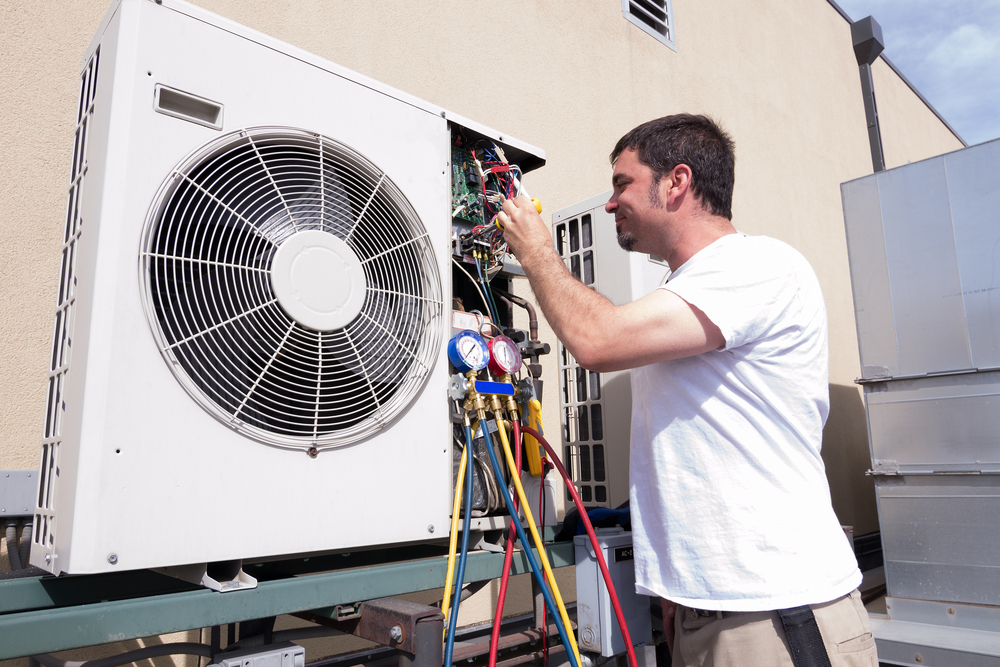
HVAC technician working on a mini-split condensing unit

Which features matter most for Sydney’s heat and humidity?

They should prioritise strong dehumidification, a quality inverter compressor, and good airflow control. Humidity is a major comfort factor near the coast and during stormy heat, so “dry mode” that actually works can be more valuable than extra cooling capacity.

Look for sensors and fan control that keep temperatures steady, plus quiet operation for bedrooms. Filters can help, but they are not a substitute for ventilation and regular cleaning.

Is a high energy star rating always worth it?

Usually, yes, but only when matched to how they use it. High efficiency matters most for households that run cooling daily, use multiple rooms, or stay home during the day.

They should compare annual running costs, not just the star label. A slightly higher purchase price can pay back quickly if the system runs for long stretches across summer and humid autumn days.

Should they choose reverse-cycle for year-round comfort?

Reverse-cycle is typically the best all-round option for Sydney. It cools in summer and heats in winter efficiently, often cheaper to run than older resistive heaters.

It also simplifies maintenance and reduces the need for separate appliances. For households with mild winter needs, reverse-cycle can cover both seasons without overcomplicating the setup.

How important are zoning and controls in ducted systems?

They are essential. Zoning lets households cool only the rooms they use, which is often where the real savings come from.

In 2026, they should look for reliable room control, scheduling, and an easy interface that everyone will actually use. The best ducted system can still waste energy if it cools empty rooms all day.

Are smart AC features actually useful?

They can be, if the household will use them. App control helps with scheduling, geofencing, and pre-cooling before peak tariffs, which can reduce costs without sacrificing comfort.

They should still make sure the unit works well without the app. Simple timers, a good remote, and stable Wi‑Fi connectivity matter more than flashy features.

What should they consider for apartments and strata properties?

They should check strata bylaws early, especially for outdoor unit placement, noise limits, and common property rules. Many apartments also have limited balcony space and airflow constraints, which affect performance.

For bedrooms, low noise and gentle airflow matter. For living areas, they should prioritise capacity and placement that avoids blasting air directly onto seating.

How can they avoid common installation mistakes?

They should choose an installer who sizes properly, places the indoor unit for airflow, and routes piping neatly without unnecessary bends. A good install often matters as much as the brand.

They should also confirm drainage, outdoor unit clearance, and electrical requirements. Skipping these checks can lead to water leaks, noise, reduced efficiency, or early component failure.

What maintenance should they plan for after installation?

They should plan simple, consistent upkeep. Filters typically need cleaning every few weeks during heavy use, and outdoor units should stay clear of leaves and debris.

A professional service every year or two helps keep efficiency high and catches issues early. Homes near the coast may need more attention due to salt exposure.

What is the simplest way to choose the right system?

They should start with the rooms they actually live in, then size for those rooms correctly, then pick the most efficient system that fits the budget. For many Sydney homes, that means one or two high-quality split systems with inverter technology and good humidity control.

If the household truly needs whole-home comfort, ducted with zoning and smart scheduling is usually the best long-term choice, provided the design and installation are done properly.

FAQs (Frequently Asked Questions)

What are the key changes in Sydney’s cooling needs for 2026?

In 2026, Sydney homes face hotter summers, more humid shoulder seasons, and rising electricity prices. Households now prioritise high-efficiency inverter systems, better humidity control, and smarter scheduling to reduce peak-hour energy use. Improved home insulation, double glazing, and solar installations also reduce cooling loads, making smaller, more efficient air conditioners a smarter choice.

How do I choose between split, multi-split, and ducted air conditioning for my Sydney home?

Choose based on how many rooms need cooling and their usage frequency. Split systems suit single rooms or targeted areas; multi-split systems cool multiple rooms without ductwork; ducted systems provide whole-home comfort with a cleaner look. For many Sydney homes, a single split system in the main living area offers the best value. Larger households may benefit from ducted systems with proper zoning.

What is the correct way to size an air conditioner for Sydney homes?

Size your air conditioner for the specific room considering area, ceiling height, insulation quality, window size and sun exposure, plus occupancy. Avoid guessing based on old units. Oversized units cycle frequently causing clammy conditions and wasted power; undersized units run constantly and struggle during extreme heat, especially in west-facing rooms.

HVAC technician working on a mini-split condensing unit

Which air conditioner features are most important for handling Sydney’s heat and humidity?

Prioritise strong dehumidification capabilities, a quality inverter compressor for efficiency, and good airflow control. Effective ‘dry mode’ that reduces humidity can be more valuable than extra cooling capacity near the coast or during stormy heat. Look for sensors and fan controls that maintain steady temperatures quietly—especially important for bedrooms.

Is investing in a high energy star rating air conditioner worth it in Sydney?

Usually yes—but only if matched to your usage patterns. High efficiency matters most for households running cooling daily, using multiple rooms or staying home during the day. Compare annual running costs rather than just star ratings; a slightly higher purchase price can pay off quickly over long summer and humid autumn periods.

Why is zoning and controls essential in ducted air conditioning systems?

Zoning allows you to cool only occupied rooms, leading to significant energy savings by avoiding wasteful cooling of empty spaces. In 2026 Sydney homes should seek reliable room controls with easy scheduling interfaces that everyone uses effectively. Without proper zoning and controls, even the best ducted system can waste energy by running unnecessarily.

naked link 4 Signs You Need Air Conditioning Repairs Hills District Before Peak Summer