JSP Design & Building Contractors

Archives November 2026

formwork plywood

What to Look for When Arranging Formwork Plywood

Arranging formwork plywood sounds simple until it is not. Schedules shift, weather turns, a pour gets moved forward, and suddenly the site needs sheets that actually suit the job, not whatever is cheapest or closest.

In Australia, the right setup is usually the one that balances compliance, finish quality, safe handling, and how many reuses they realistically expect. The points below are the things that tend to save time, money, and a lot of arguing later.

What is the formwork plywood actually being used for?

They should start by matching the sheet to the task. Slab soffits, suspended decks, columns, and walls all ask different things of formwork plywood.

If they are chasing a clean off form finish, surface quality matters more. If they are cycling fast on a commercial job, durability and reuse count more. For footings or temporary works, they may accept fewer reuses. Purpose first, product second.

Does the formwork plywood meet Australian standards and site requirements?

They should confirm it is fit for structural formwork and appropriate for Australian conditions. The supplier should be able to provide documentation, not just marketing claims, especially when formwork plywood is being used in load bearing situations.

It is also worth checking what the builder, engineer, or principal contractor expects on that project. Some sites specify certain face grades, thicknesses, or branded systems for consistency. Getting it wrong here can mean reordering under pressure.

What thickness and sheet size makes sense for the span and load?

They should select thickness based on spans, joist spacing, and expected concrete pressure, not habit. Thinner sheets can work, but only when the framing and propping layout supports it properly, and deflection is controlled.

Standard sheet sizes are common, but not always practical. If cutting waste is high, labour goes up and edges get damaged. Planning around typical Australian floor grids and transport limits can make formwork plywood go further.

What face type and finish quality do they need from formwork plywood?

They should choose a face that matches the finish requirement. A film faced sheet generally gives a smoother result and releases more cleanly, assuming they handle it well and do not gouge it during stripping.

For architectural pours, they usually want consistent faces across the whole run, same batch if possible. Mixing sheet types can create visible panel patterns. If the job needs paint or render later, the finish still matters because patching and grinding cost time.

How water resistant is the glue line and edge sealing?

They should treat moisture resistance as a big deal, especially in coastal areas like Brisbane, Newcastle, or Perth where humidity and salt air can punish materials quickly. Even in Melbourne or Canberra, rain events can wreck unprotected stacks.

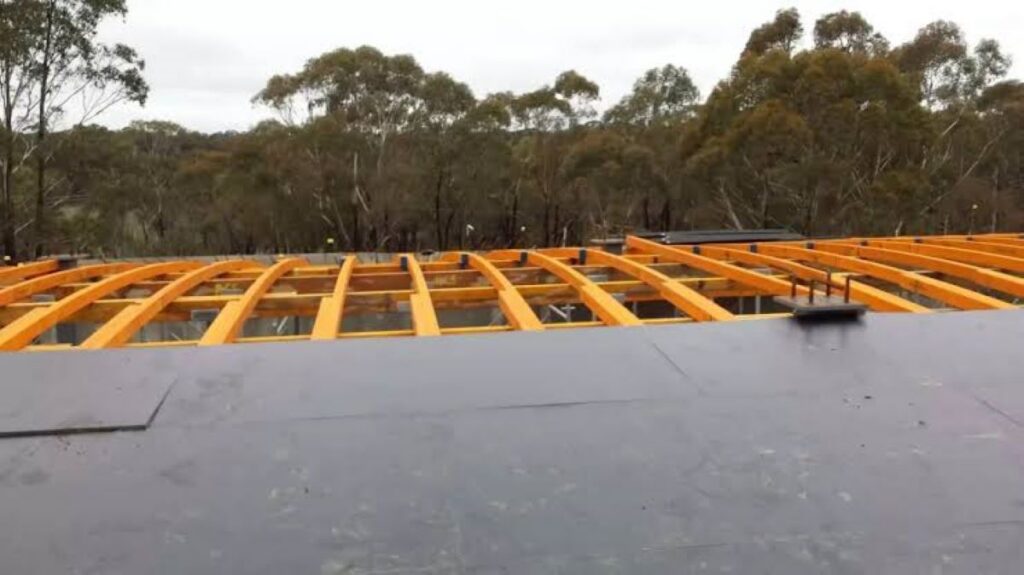
Good formwork plywood resists delamination, but edges are still vulnerable. They should look for sealed edges and maintain them on site after cutting. If water gets in and they keep cycling the sheets, the life of the sheet drops fast.

How many reuses can they realistically expect?

They should ask for realistic reuse expectations, not best case numbers. Reuse depends on stripping methods, handling, storage, release agent, and whether the crew is careful with corners.

If they want high cycles, they should invest in better formwork plywood and protect it properly. If they only need a few pours, it may not be worth paying for top tier sheets. Being honest about the programme avoids buying the wrong thing.

Is the supplier reliable in Australian delivery conditions?

They should choose a supplier who can deliver when they say they will, to the actual site constraints. Metro Sydney and Melbourne deliveries are one thing. Regional jobs around Toowoomba, Ballarat, or the Pilbara can be another.

Lead times, crane access, delivery windows, and unload responsibility should be clear. If formwork plywood arrives late or damaged, it is rarely a small delay. It can stop the pour, and that gets expensive quickly.

Are they checking for damage, flatness, and consistency on arrival?

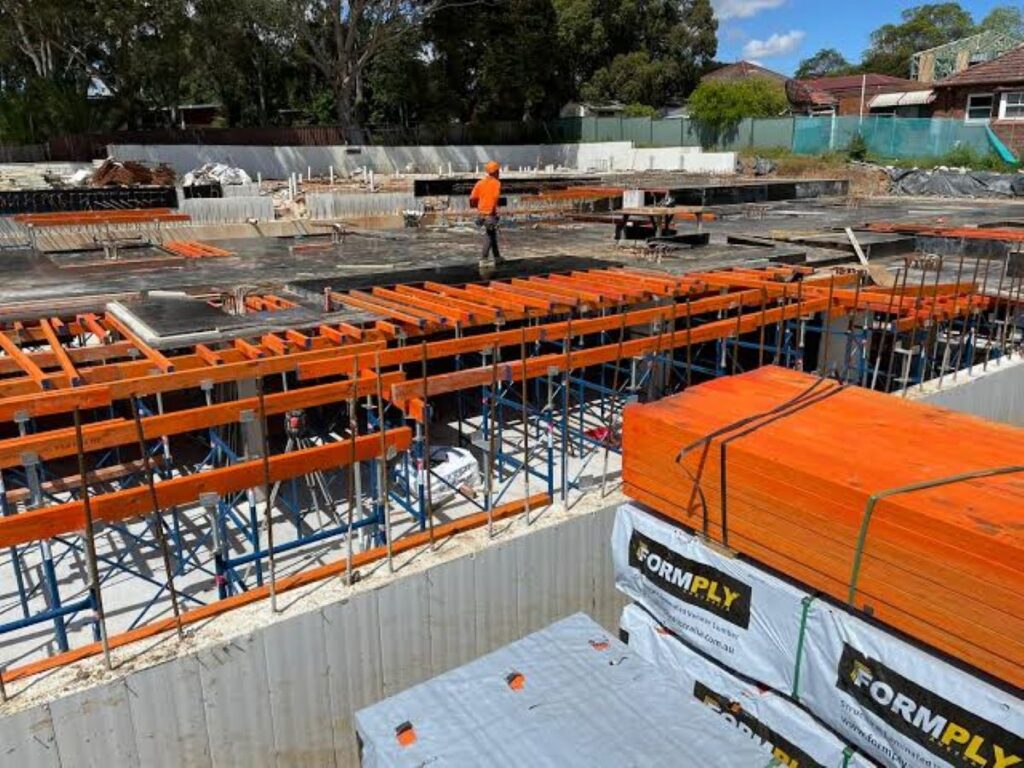
They should inspect sheets before they get spread across the deck. Warp, chipped corners, swollen edges, and face damage all reduce performance and leave marks in the concrete.

It helps to check thickness consistency too, especially if sheets come from mixed batches. If they are trying to keep soffits level, even small variation can show up. Sorting good sheets for high visibility pours keeps formwork plywood working where it matters.
formwork plywood

Are they planning storage and handling so the sheets stay usable?

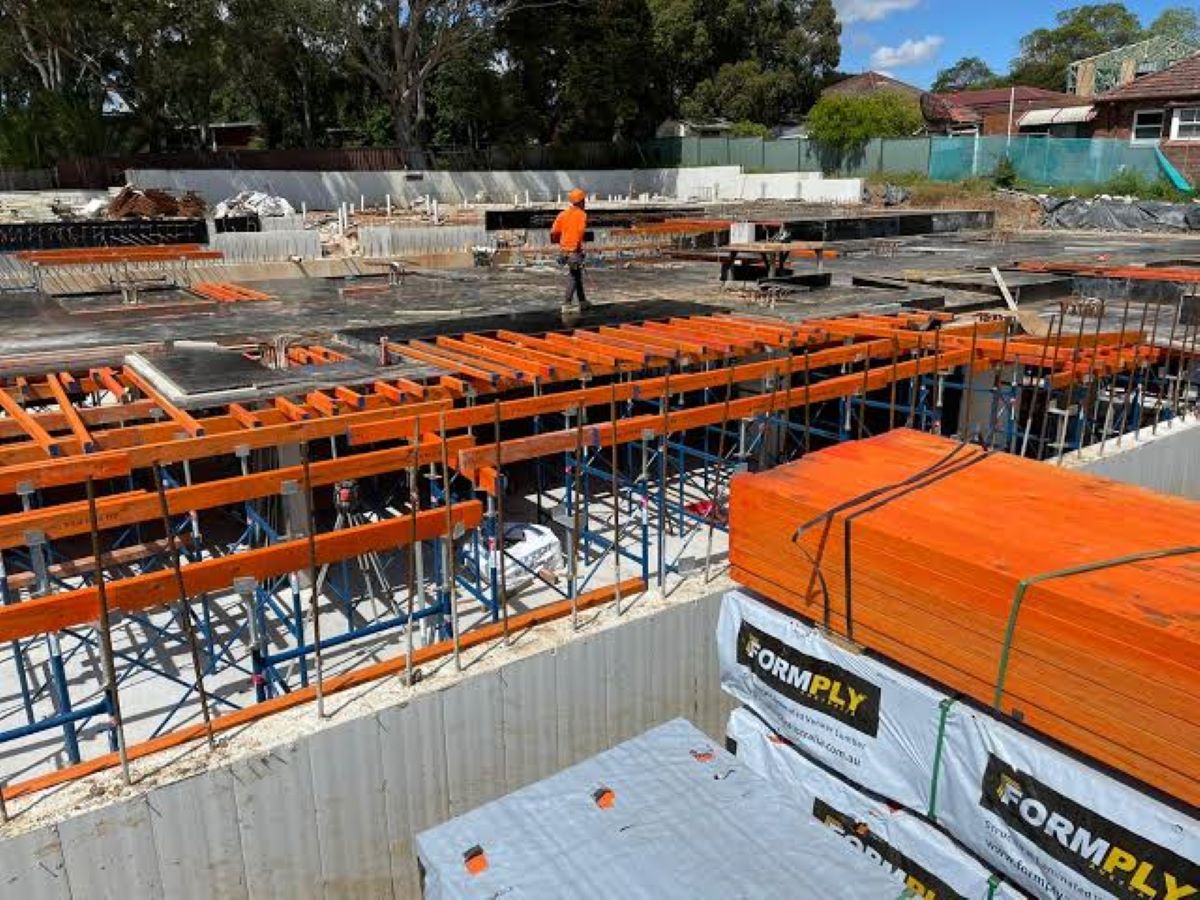
They should store sheets flat, off the ground, and covered, with airflow. Leaving formwork plywood on wet soil or exposed to sun and rain is one of the quickest ways to shorten its life.

Handling matters as much as storage. Fork tines through faces, dragging sheets, or dropping corners destroys edges. If they want reuses, they need simple rules: lift properly, stack neatly, keep edges sealed, and do not leave offcuts everywhere.

What release agent and cleaning routine will they use?

They should pick a release agent compatible with the sheet face and the specified finish. Too much oil can stain. The wrong product can soften faces over time or interfere with curing and surface treatments.

Cleaning after stripping also affects longevity. If they let concrete build up, they end up scraping and damaging the face. A quick clean, minor repairs, and re-sealing cut edges helps formwork plywood cycle again without looking wrecked.

Do they understand safety and manual handling requirements?

They should plan lifting and placement to reduce strain and falls. Full sheets are awkward in wind, on elevated decks, and in tight cores. The method statement should cover how they will move sheets, not just where they will be installed.

On Australian sites, they also need to consider guardrails, penetrations, and housekeeping. Poor stacking and loose sheets become hazards fast. Safe set out and tidy work areas protect workers and prevent sheet damage.

See Also : Develop knowledge of plywood or laminated veneer lumber production

Are they coordinating the plywood layout with joints, penetrations, and pour sequence?

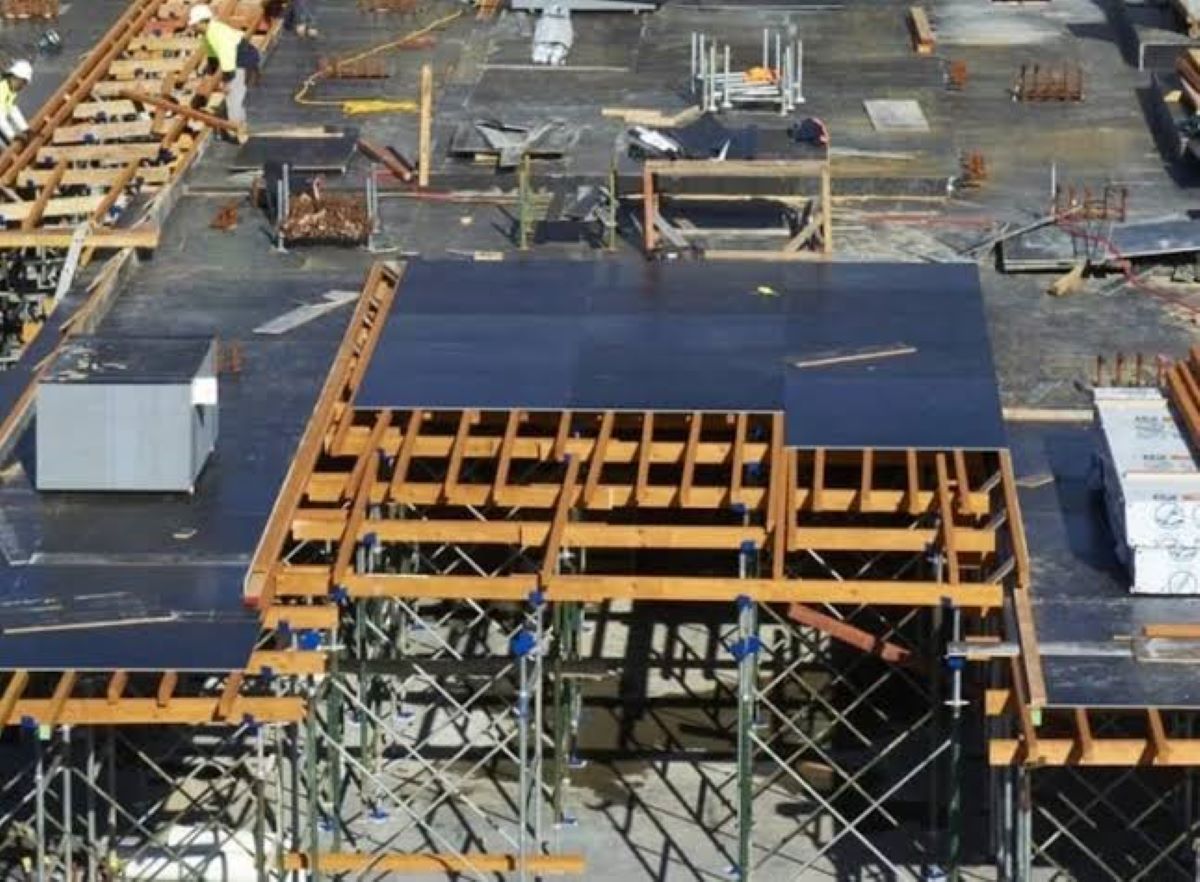
They should plan set out so sheet joints land where they can be supported, and where joint lines will not ruin the finish. This is especially important for columns, walls, and exposed soffits.

Penetrations for services, box outs, and cast ins should be mapped early. Random cutting on the day leads to weak spots and wasted material. Good planning means formwork plywood is cut once, used more than once, and fits the pour sequence.

Are they considering sustainability and disposal in Australia?

They should think about what happens after the last pour. Some projects can reuse sheets on future sites, others can repurpose them for temporary protection, hoardings, or non-structural applications, if the condition is decent.

Disposal rules vary by council and site policies. Planning for reuse and reducing damage keeps more formwork plywood out of landfill. Even small choices, like protecting stacks from rain, can make a difference at end of life.
formwork plywood

What is the simplest checklist they can use before ordering?

They should keep it basic. Confirm the use case, confirm compliance and documentation, pick the right thickness, decide finish expectations, and lock in delivery dates.

Then they should plan storage, handling, release agent, and layout set out before the first pack arrives. Done properly, formwork plywood stops being a last minute scramble and becomes a predictable part of the build.

Related : F14 Plywood Compared: What Actually Matters

FAQs (Frequently Asked Questions)

What factors should I consider when selecting formwork plywood for different construction tasks?

You should start by matching the formwork plywood sheet to the specific task—whether it’s slab soffits, suspended decks, columns, or walls. Consider the finish quality if a clean off-form look is desired, durability and reuse frequency for fast commercial cycles, and accept fewer reuses for footings or temporary works. Always prioritise purpose before product selection.

How important is compliance with Australian standards when choosing formwork plywood?

It’s crucial to ensure that the formwork plywood meets Australian standards and site-specific requirements, especially for structural and load-bearing applications. Suppliers must provide proper documentation rather than just marketing claims. Additionally, confirm any builder, engineer, or principal contractor specifications regarding face grades, thicknesses, or branded systems to avoid costly reorder delays.

What thickness and sheet size are ideal for my formwork plywood needs?

Select the thickness based on spans, joist spacing, and expected concrete pressure rather than habit. Thinner sheets may be suitable if framing and propping layouts support them and deflection is controlled. While standard sheet sizes are common, plan around typical Australian floor grids and transport limits to minimise cutting waste, labour costs, and edge damage.

How does the face type of formwork plywood affect finish quality?

Choosing the right face type is essential for meeting finish requirements. Film-faced sheets generally provide smoother results and release more cleanly if handled carefully without gouging during stripping. For architectural pours, consistent faces from the same batch are preferred to avoid visible panel patterns. Even when painting or rendering later, surface finish matters as patching can be time-consuming.

Why is water resistance important in formwork plywood selection?

Water resistance significantly impacts durability, especially in coastal regions like Brisbane, Newcastle, or Perth where humidity and salt air can cause rapid deterioration. Moisture can also damage stacks during rain events in cities like Melbourne or Canberra. Good formwork plywood resists delamination but edges remain vulnerable; sealed edges must be maintained after cutting to prolong sheet life through multiple cycles.

How can I maximise the number of reuses of formwork plywood on site?

Realistic reuse expectations depend on stripping methods, handling care, storage conditions, use of release agents, and crew attention to corners. Investing in higher-quality plywood and protecting it properly yields more cycles. For projects requiring fewer pours, top-tier sheets may not be cost-effective. Honest planning aligned with your programme helps avoid purchasing unsuitable materials.
F14 Plywood

F14 Plywood Compared: What Actually Matters

Buying structural sheet goods in Australia is weirdly stressful. Everyone says “just get F14” like it is one simple thing, but F14 plywood can show up with different stamps, different faces, different cores, and honestly, pretty different behaviour once it is on site.

This is a practical comparison of what actually matters when they are choosing F14 plywood for floors, roofs, bracing, formwork, or general structural work. Not theory. Just the stuff that tends to bite later.

What does “F14” actually mean on plywood in Australia?

It means the panel has been graded to an F14 stress grade, which is a measure of structural capacity used in Australia. They are basically buying a sheet that should perform to that strength level when installed correctly.

But it does not automatically mean it is the same product across mills. F14 plywood can vary in bond type, veneer quality, thickness tolerance, and face grade.

Is F14 plywood the same as structural plywood?

Not always, but it usually overlaps. Structural plywood refers to plywood manufactured and certified for structural use, typically to Australian standards with appropriate branding and traceability.

They should still check the stamp for structural compliance details, not just the big F-number. Some F14 plywood is clearly branded for structural applications, while other stock might be sold with limited clarity unless they read the fine print.

What should they check on the sheet stamp before comparing price?

They should look for the manufacturer or mill ID, the standard referenced (Australian), the bond classification, thickness, stress grade, and any treatment or durability marking.

If the stamp is faint or missing, that is already a comparison result. For F14 plywood, traceability matters because it is how they know it is actually graded, not just described on an invoice.

Does thickness consistency matter as much as grade?

Yes, especially for floors and roofing where they are relying on tight sheet joins and predictable stiffness. Two sheets both sold as “17 mm” can feel different if one is consistently under thickness.

On Australian job sites, this shows up as lipping, squeaks, or uneven finishes. With F14 plywood, they are paying for performance, so thickness tolerance is part of that performance.

How do face grades change what they are really buying?

Face grade affects appearance, patching, and surface integrity, but it also hints at how carefully the panel was made. A cleaner face does not guarantee a better core, but messy faces sometimes correlate with more voids and repairs.

If they are using F14 plywood for flooring under coverings, a utility face may be fine. For exposed linings or painted applications, face grade suddenly matters a lot.

Are core voids a real issue in F14 plywood?

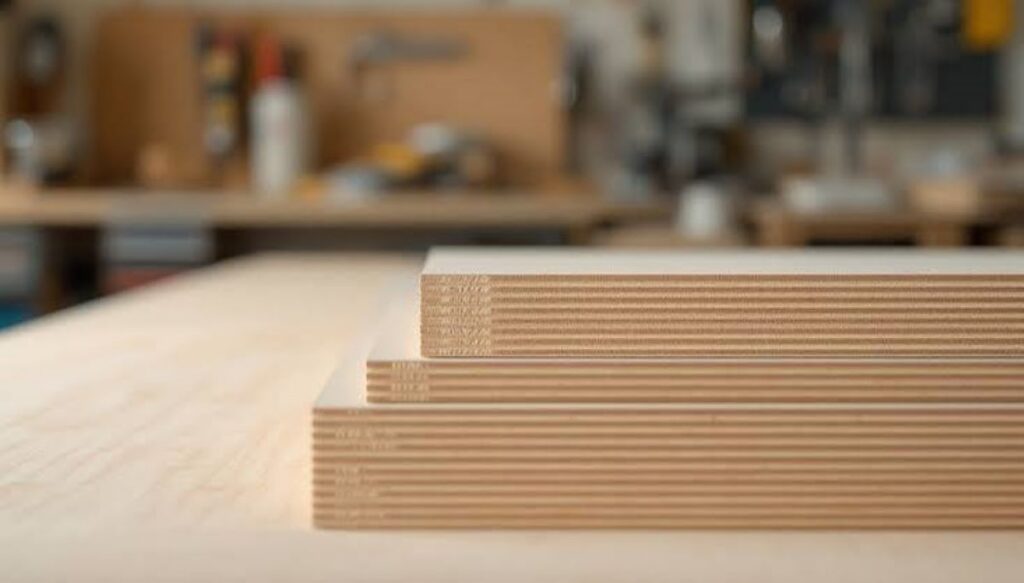
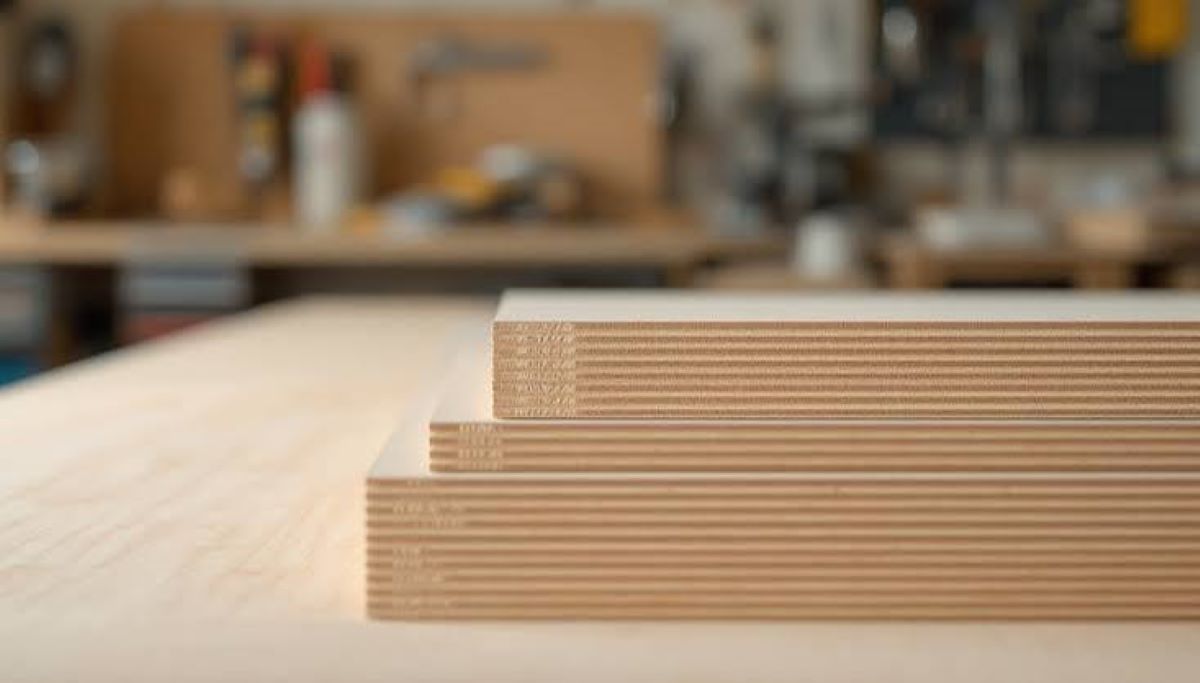
Yes, because voids affect screw holding, edge strength, and how the sheet behaves when they cut it or load it. Voids can also create soft spots that feel like “cheap plywood”, even when the stamp says otherwise.

They can spot some of this by looking at the sheet edge before purchase. With F14 plywood, fewer voids usually means fewer surprises when they fix and load it.

Which bond types matter for Australian conditions?

They should care about whether the glue bond suits moisture exposure. Many structural panels use exterior type bonds suitable for typical Australian building conditions, but “exterior bond” does not mean the timber itself is waterproof.

In coastal NSW, South East Queensland, or wet Tassie sites, the wrong assumption causes swelling at edges. F14 plywood still needs correct sealing and installation gaps.

Is treated F14 plywood worth it for termites and decay?

In termite-prone areas like Brisbane, the Gold Coast, or regional Queensland, treatment can be a big deal, but it depends on where the panel sits in the build. Not every internal floor sheet needs treatment, and not every treated sheet is treated for the same hazard.

They should match treatment level to the exposure and local requirements. Paying extra for F14 plywood treatment only makes sense if it is actually reducing a real risk.

How does F14 plywood compare for flooring in Australian homes?

For flooring, they should prioritise stiffness, thickness accuracy, and reliable fixings. A good sheet feels consistent, edges stay stable, and it holds nails or screws without crumbling.

If they are laying over joists in a standard Australian timber frame, F14 plywood is often chosen because it hits a familiar strength point. But they still need to confirm span tables and installation method, not just the grade.

F14 Plywood

What about F14 plywood for bracing walls?

For bracing, they should care about certification, panel orientation, fixing schedule compatibility, and whether the product is recognised in the bracing system they are using. A strong sheet installed wrongly is still wrong.

They should also be careful about mixing panel types across the same bracing line. F14 plywood works well when it is part of a documented bracing approach, not a guess.

See Also : What Formply Actually Involves

Is F14 plywood good for concrete formwork?

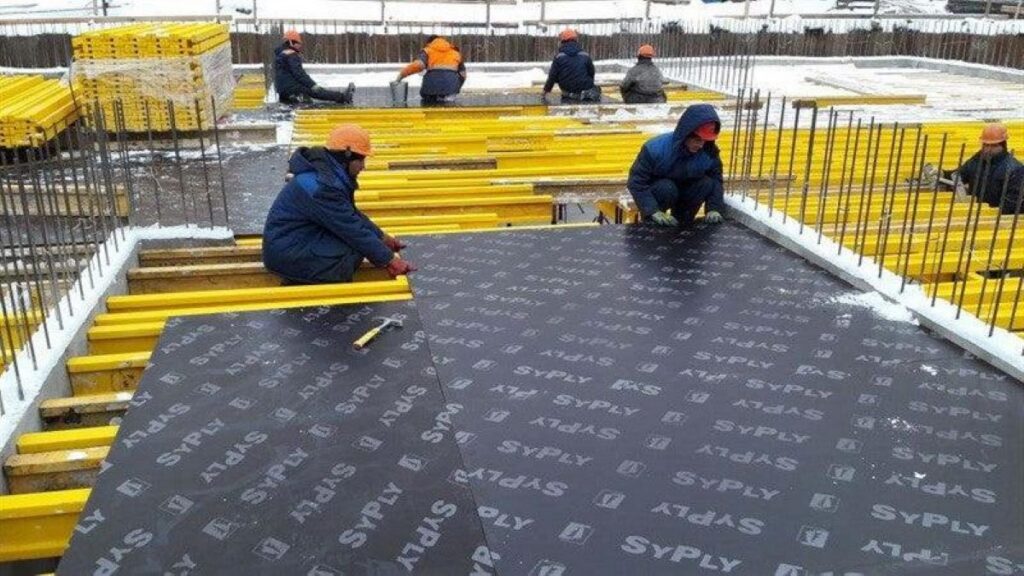
It can be, but “good” depends on the face, the overlay (if any), and how many reuses they expect. Plain structural plywood can work for basic formwork, but it tends to mark, wear, and delaminate sooner than purpose-made formply.

If they need a clean finish and multiple pours, they should look at formply products rather than assuming F14 plywood automatically equals formwork-ready.

Should they trust brand names, or just compare specs?

They should compare specs first, then use brand reputation as a tie-breaker. In Australia, supply chains vary, and two packs labelled similarly can still behave differently if they come from different runs or storage conditions.

A reliable supplier who stores panels well and rotates stock can matter as much as the mill. When they buy F14 plywood, they are also buying the handling history.

How much does sheet size and edge quality affect real outcomes?

More than people admit. Poorly cut edges create gaps, uneven joints, and extra labour. Slightly out-of-square sheets slow down installs and compound layout errors across rooms.

For roofs and floors, clean factory edges speed everything up. With F14 plywood, the hidden cost is often time, not the invoice line.

What is the simplest way to compare F14 plywood in-store?

They should do three quick checks. First, read the stamp properly. Second, sight down the sheet for warp and twist. Third, look at the edge for voids and consistent veneer layers.

If possible, they should lift two sheets from different packs and compare weight and stiffness. F14 plywood that feels flimsy compared to another is telling them something, even before numbers.

When should they choose something other than F14 plywood?

They should choose a different product when the job is about surface finish, moisture exposure, or repeated formwork use. For cabinetry or fine interiors, they might want a different plywood grade entirely. For wet areas, they may need a product designed for that exposure.

They should also consider engineered flooring products if the goal is flatness and speed. F14 plywood is strong, but strength is not the only requirement in real Australian builds.

F14 Plywood

What is the takeaway: what actually matters most?

They should prioritise certification clarity, thickness consistency, low void content, correct bond and treatment for the site, and sheets that are straight and square. Price matters, but it should come after those checks.

If they focus only on the “F14” label, they miss the stuff that changes install time and long-term performance. That is the real comparison. That is what actually matters when they are buying F14 plywood.

FAQs (Frequently Asked Questions)

What does the F14 rating mean on plywood in Australia?

The F14 rating indicates that the plywood panel has been graded to an F14 stress grade, which measures its structural capacity according to Australian standards. It means the sheet should perform to that strength level when installed correctly, but variations can exist between different mills regarding bond type, veneer quality, thickness tolerance, and face grade.

Is F14 plywood always the same as structural plywood?

Not always. While structural plywood is manufactured and certified for structural use under Australian standards with proper branding and traceability, not all F14 plywood is clearly branded for structural applications. It’s important to check the stamp for structural compliance details rather than relying solely on the F-number.

What key details should I check on the stamp before buying F14 plywood?

You should verify the manufacturer or mill ID, the Australian standard referenced, bond classification, thickness, stress grade (F14), and any treatment or durability markings. A faint or missing stamp is a red flag since traceability ensures the panel is genuinely graded and compliant.

Does thickness consistency affect the performance of F14 plywood?

Yes, especially for floors and roofs where tight joins and predictable stiffness are crucial. Sheets both labelled as ’17 mm’ may differ in actual thickness; inconsistencies can cause lipping, squeaks, or uneven finishes on site. Thickness tolerance is part of delivering the performance you pay for with F14 plywood.

How do face grades impact what I’m really buying in F14 plywood?

Face grade influences appearance, patching requirements, and surface integrity. While a cleaner face doesn’t guarantee a better core, messy faces can correlate with more voids and repairs. For flooring under coverings, a utility face might suffice; however, for exposed linings or painted surfaces, higher face grades become important.

Are core voids a significant concern in F14 plywood panels?

Yes. Core voids can weaken screw holding capacity, edge strength, and overall behaviour under load or cutting. They may create soft spots that feel like cheap plywood despite an F14 stamp. Inspecting sheet edges before purchase helps identify panels with fewer voids and reduces surprises during installation.

formwork plywood

What Formply Actually Involves

People hear “compliance” and instantly imagine paperwork, slow approvals, and someone saying no. But in Australia, compliance is just the quiet stuff that keeps operations clean, safe, and defensible when something goes wrong.

This is what Formply actually involves. Not magic. Not a new set of laws. Just a practical way for teams to collect the right information, the right way, and keep it usable later. Especially across construction sites, NDIS services, hospitality venues, transport depots, schools, and health clinics.

What is Formply, in plain terms?

Formply Australia is a digital forms and workflow system that helps Australian teams capture checks, incidents, sign-offs, and records in a consistent format. It replaces paper forms and messy spreadsheets with structured data and repeatable processes.

They use it to standardise routine compliance tasks, reduce admin time, and keep evidence ready for audits, insurers, or internal reviews.

What does Formply actually replace day to day?

Formply replaces the everyday forms that usually live on clipboards, shared drives, or someone’s inbox. The goal is to stop losing information and stop rewriting the same form from scratch.

Common replacements include pre-starts, toolbox talks, risk assessments, incident reports, maintenance logs, visitor sign-ins, and service delivery checklists. In practice, it means fewer “Where is that form?” moments and fewer half-completed documents.

How do teams set up forms in Formply?

In Formply, teams typically build digital versions of their existing paper forms first, then refine them. The first win is consistency because every worker sees the same prompts and fields.

They usually start with a small pack of high-frequency forms, roll them out to a single site or team in Sydney or Brisbane, then expand. Setup tends to be iterative. Add a field. Remove clutter. Tighten the wording. Keep it usable.

What does Formply involve for workers on site or on shift?

For frontline staff, Formply involves filling out forms on a phone or tablet, usually at the point of work. The form asks the questions. They answer, attach photos if needed, and submit.

That is basically it. No scanning. No chasing paper. No guessing which version is current. The key change is behaviour. Teams stop treating forms as an end of shift task and start doing them as part of the job.

How does Formply handle approvals and sign offs?

Formply involves routing forms to the right person once they are submitted, so a supervisor, manager, or coordinator can review and sign off. This matters for high risk items where a second set of eyes is not optional.

Approvals can be set up to trigger notifications, request changes, or escalate issues. In an Australian context, this is often used for safety sign offs, quality checks, and incident follow up actions.

What does Formply involve for compliance and audit readiness?

At its core, Formply involves creating an evidence trail that holds up under scrutiny. Not just “a form exists”, but when it was done, who did it, what they recorded, and any supporting photos or notes.

That becomes useful in audits, accreditation checks, contract compliance reviews, or when insurers ask for documentation after an incident. Teams can pull records without digging through boxes, utes, or someone’s email archive.

formply Australia

How does Formply support safety and risk processes in Australia?

In many workplaces, Formply involves making WHS processes easier to actually follow. When hazards, near misses, and risk controls are captured quickly, supervisors can respond faster.

This plays out on construction sites in Melbourne, warehousing operations in Perth, and civil works across regional NSW. Instead of waiting for weekly paperwork to surface an issue, teams see problems sooner, with clearer details and photo evidence.

What does Formply involve for incidents, injuries, and investigations?

With incident management, Formply involves structured reporting. The form can prompt for what happened, where, contributing factors, immediate actions taken, and who was notified.

That structure matters because incident reports are often written under stress, after the fact, and with missing detail. A consistent capture process makes investigations smoother and reduces back and forth. It also helps organisations show they responded appropriately.

How does Formply handle photos, attachments, and location evidence?

A big part of Formply involves capturing context. Photos, signatures, files, and notes can be attached at the time the form is completed, rather than hunted down later.

Location data may also be relevant depending on the device and configuration. For Australian teams working across multiple sites, this can support accountability. It is harder to argue about when something was checked if there is a timestamped record with supporting images.

formply Australia

What does Formply involve for managers and admin teams?

For managers, Formply involves visibility. They can monitor submissions, identify overdue checks, and spot recurring issues. Instead of reading every form line by line, they can focus on exceptions.

Admin teams often use it to reduce rekeying. When forms are digital from the start, there is less manual data entry into spreadsheets, CRMs, or reporting templates. It is not glamorous, but it saves hours.

How do workflows and automations actually work in Formply?

Workflows in Formply involve “if this, then that” logic. If someone flags a hazard as high risk, notify a supervisor. If a vehicle check fails, create a maintenance request. If an NDIS service log is missing required fields, prevent submission.

This is where forms stop being static documents and start becoming operational systems. Australian organisations use this to enforce minimum standards without constant supervision.

What does Formply involve for reporting and trends?

Reporting in Formply involves turning form submissions into patterns. Managers can track how often incidents occur, which sites have repeated non-conformances, or whether pre-start checks are being completed on time.

In practical terms, this supports better decisions. It also gives leaders something more defensible than anecdotes when reporting to a board, a principal contractor, or a funding body.

What industries in Australia typically use Formply, and why?

Formply is commonly used anywhere teams must prove work was done safely and consistently. That includes construction, trade services, facilities management, disability support, aged care, education providers, hospitality groups, and transport operators.

The “why” is usually the same. Paper systems break under growth. Staff turnover makes training harder. Audits become stressful. Digital forms reduce friction and help organisations keep standards stable across sites.

What does Formply involve during onboarding and training?

Adoption of Formply involves teaching staff how to complete the core forms correctly, not teaching them every feature. Training works best when it is role-based and short.

Many Australian teams start with a toolbox-style walkthrough or a short session during induction. Then they reinforce it through supervisors, quick reference guides, and a handful of required daily or weekly checks until the habit sticks.

What should organisations watch out for when implementing Formply?

Implementing Formply involves more than copying paper into an app. The main risk is building forms that are too long, too fussy, or written in compliance language that nobody uses.

Teams should keep forms concise, use plain English, and only collect what will be reviewed or acted on. They also need clear ownership. Someone must maintain the forms, update them when processes change, and close the loop on follow-ups.

What does Formply actually involve overall?

Overall, Formply involves capturing critical operational data through digital forms, routing it to the right people, and storing it in a way that remains searchable and audit-ready. It is mainly about consistency, speed, and proof.

For Australian organisations, that can mean fewer missed checks, cleaner investigations, less admin churn, and calmer audits. Not because the work disappears. Just because the system stops fighting the team.

More to Read : What to Look for When Arranging Formwork Plywood

FAQs (Frequently Asked Questions)

What is Formply and how does it simplify compliance for Australian teams?

Formply is a digital forms and workflow system designed to help Australian teams capture checks, incidents, sign-offs, and records consistently. It replaces traditional paper forms and spreadsheets with structured data and repeatable processes, making routine compliance tasks more efficient and keeping evidence ready for audits, insurers, or internal reviews.

How does Formply improve day-to-day operations on construction sites and other workplaces?

Formply replaces everyday paper forms like pre-starts, toolbox talks, risk assessments, incident reports, and maintenance logs with digital versions accessible on phones or tablets. This reduces lost information, eliminates rewriting forms from scratch, and ensures all team members see the same prompts, leading to fewer incomplete documents and smoother workflows.

In what ways does Formply support safety and risk management across various Australian industries?

Formply streamlines Work Health and Safety (WHS) processes by enabling quick capture of hazards, near misses, and risk controls. Supervisors can respond faster with clear details and photo evidence. This proactive approach helps teams on construction sites, warehouses, civil works, and more to identify problems early rather than waiting for delayed paperwork.

How does Formply handle approvals and ensure accountability in compliance tasks?

Once a form is submitted in Formply, it automatically routes to the appropriate supervisor or manager for review and sign-off. The system can trigger notifications, request changes, or escalate issues as needed. This setup ensures that high-risk items receive necessary oversight, supporting safety sign-offs, quality checks, and incident follow-ups in line with Australian standards.

What benefits does Formply offer managers and administrative teams regarding data visibility and efficiency?

Managers gain real-time visibility into form submissions, overdue tasks, and recurring issues without reading every form line by line. Admin teams benefit from reduced manual data entry since digital forms eliminate rekeying into spreadsheets or CRMs. Overall, this saves time while enabling focused attention on exceptions that matter most.

How do workflows and automations in Formply enhance operational compliance?

Formply uses ‘if this, then that’ logic to automate responses based on form inputs. For example, flagging a high-risk hazard can notify supervisors immediately; failed vehicle checks can trigger maintenance requests; incomplete NDIS service logs may prevent form submission. These automations enforce minimum standards consistently across Australian organisations without constant supervision.