
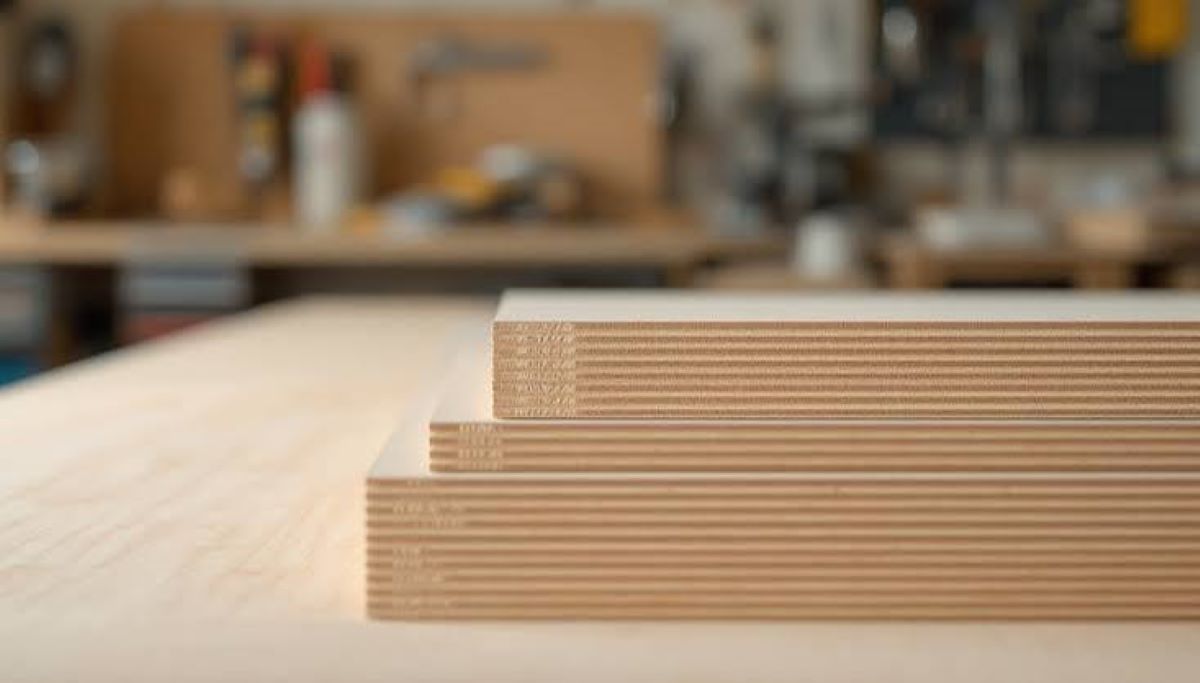
What to Look for When Arranging Formwork Plywood
Arranging formwork plywood sounds simple until it is not. Schedules shift, weather turns, a pour gets moved forward, and suddenly the site needs sheets that actually suit the job, not whatever is cheapest or closest.
In Australia, the right setup is usually the one that balances compliance, finish quality, safe handling, and how many reuses they realistically expect. The points below are the things that tend to save time, money, and a lot of arguing later.
What is the formwork plywood actually being used for?
They should start by matching the sheet to the task. Slab soffits, suspended decks, columns, and walls all ask different things of formwork plywood.
If they are chasing a clean off form finish, surface quality matters more. If they are cycling fast on a commercial job, durability and reuse count more. For footings or temporary works, they may accept fewer reuses. Purpose first, product second.
Does the formwork plywood meet Australian standards and site requirements?
They should confirm it is fit for structural formwork and appropriate for Australian conditions. The supplier should be able to provide documentation, not just marketing claims, especially when formwork plywood is being used in load bearing situations.
It is also worth checking what the builder, engineer, or principal contractor expects on that project. Some sites specify certain face grades, thicknesses, or branded systems for consistency. Getting it wrong here can mean reordering under pressure.
What thickness and sheet size makes sense for the span and load?
They should select thickness based on spans, joist spacing, and expected concrete pressure, not habit. Thinner sheets can work, but only when the framing and propping layout supports it properly, and deflection is controlled.
Standard sheet sizes are common, but not always practical. If cutting waste is high, labour goes up and edges get damaged. Planning around typical Australian floor grids and transport limits can make formwork plywood go further.
What face type and finish quality do they need from formwork plywood?
They should choose a face that matches the finish requirement. A film faced sheet generally gives a smoother result and releases more cleanly, assuming they handle it well and do not gouge it during stripping.
For architectural pours, they usually want consistent faces across the whole run, same batch if possible. Mixing sheet types can create visible panel patterns. If the job needs paint or render later, the finish still matters because patching and grinding cost time.
How water resistant is the glue line and edge sealing?
They should treat moisture resistance as a big deal, especially in coastal areas like Brisbane, Newcastle, or Perth where humidity and salt air can punish materials quickly. Even in Melbourne or Canberra, rain events can wreck unprotected stacks.
Good formwork plywood resists delamination, but edges are still vulnerable. They should look for sealed edges and maintain them on site after cutting. If water gets in and they keep cycling the sheets, the life of the sheet drops fast.
How many reuses can they realistically expect?
They should ask for realistic reuse expectations, not best case numbers. Reuse depends on stripping methods, handling, storage, release agent, and whether the crew is careful with corners.
If they want high cycles, they should invest in better formwork plywood and protect it properly. If they only need a few pours, it may not be worth paying for top tier sheets. Being honest about the programme avoids buying the wrong thing.
Is the supplier reliable in Australian delivery conditions?
They should choose a supplier who can deliver when they say they will, to the actual site constraints. Metro Sydney and Melbourne deliveries are one thing. Regional jobs around Toowoomba, Ballarat, or the Pilbara can be another.
Lead times, crane access, delivery windows, and unload responsibility should be clear. If formwork plywood arrives late or damaged, it is rarely a small delay. It can stop the pour, and that gets expensive quickly.
Are they checking for damage, flatness, and consistency on arrival?
They should inspect sheets before they get spread across the deck. Warp, chipped corners, swollen edges, and face damage all reduce performance and leave marks in the concrete.
It helps to check thickness consistency too, especially if sheets come from mixed batches. If they are trying to keep soffits level, even small variation can show up. Sorting good sheets for high visibility pours keeps formwork plywood working where it matters.
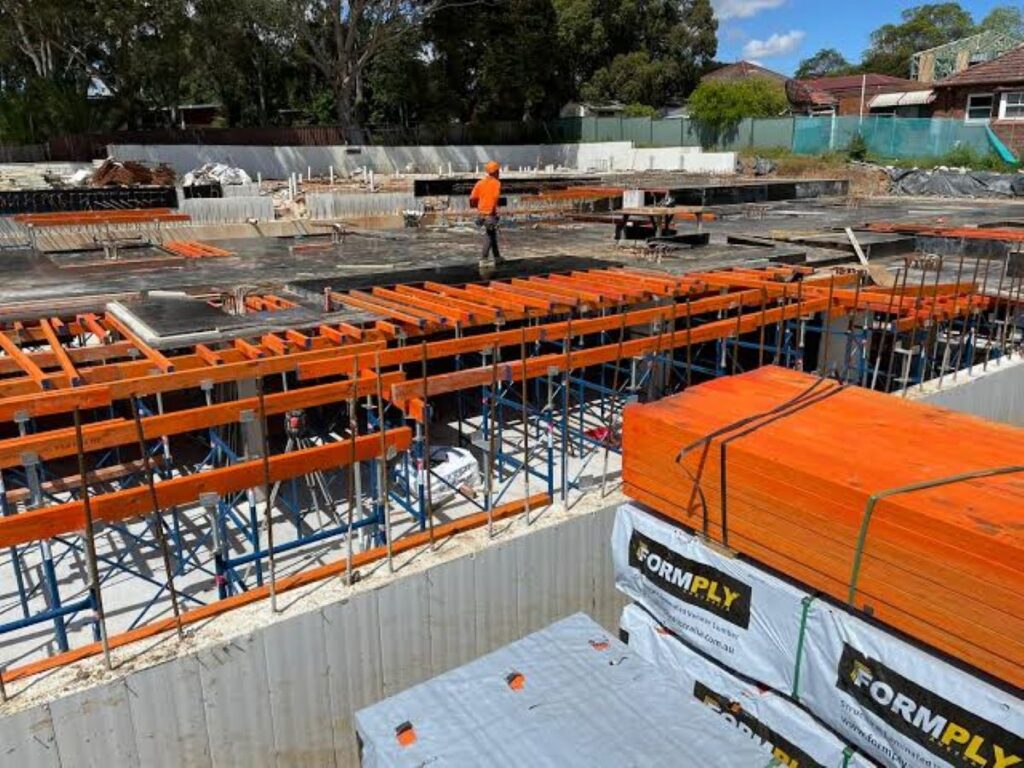
Are they planning storage and handling so the sheets stay usable?
They should store sheets flat, off the ground, and covered, with airflow. Leaving formwork plywood on wet soil or exposed to sun and rain is one of the quickest ways to shorten its life.
Handling matters as much as storage. Fork tines through faces, dragging sheets, or dropping corners destroys edges. If they want reuses, they need simple rules: lift properly, stack neatly, keep edges sealed, and do not leave offcuts everywhere.
What release agent and cleaning routine will they use?
They should pick a release agent compatible with the sheet face and the specified finish. Too much oil can stain. The wrong product can soften faces over time or interfere with curing and surface treatments.
Cleaning after stripping also affects longevity. If they let concrete build up, they end up scraping and damaging the face. A quick clean, minor repairs, and re-sealing cut edges helps formwork plywood cycle again without looking wrecked.
Do they understand safety and manual handling requirements?
They should plan lifting and placement to reduce strain and falls. Full sheets are awkward in wind, on elevated decks, and in tight cores. The method statement should cover how they will move sheets, not just where they will be installed.
On Australian sites, they also need to consider guardrails, penetrations, and housekeeping. Poor stacking and loose sheets become hazards fast. Safe set out and tidy work areas protect workers and prevent sheet damage.
See Also : Develop knowledge of plywood or laminated veneer lumber production
Are they coordinating the plywood layout with joints, penetrations, and pour sequence?
They should plan set out so sheet joints land where they can be supported, and where joint lines will not ruin the finish. This is especially important for columns, walls, and exposed soffits.
Penetrations for services, box outs, and cast ins should be mapped early. Random cutting on the day leads to weak spots and wasted material. Good planning means formwork plywood is cut once, used more than once, and fits the pour sequence.
Are they considering sustainability and disposal in Australia?
They should think about what happens after the last pour. Some projects can reuse sheets on future sites, others can repurpose them for temporary protection, hoardings, or non-structural applications, if the condition is decent.
Disposal rules vary by council and site policies. Planning for reuse and reducing damage keeps more formwork plywood out of landfill. Even small choices, like protecting stacks from rain, can make a difference at end of life.
What is the simplest checklist they can use before ordering?
They should keep it basic. Confirm the use case, confirm compliance and documentation, pick the right thickness, decide finish expectations, and lock in delivery dates.
Then they should plan storage, handling, release agent, and layout set out before the first pack arrives. Done properly, formwork plywood stops being a last minute scramble and becomes a predictable part of the build.
Related : F14 Plywood Compared: What Actually Matters
FAQs (Frequently Asked Questions)
What factors should I consider when selecting formwork plywood for different construction tasks?
You should start by matching the formwork plywood sheet to the specific task—whether it’s slab soffits, suspended decks, columns, or walls. Consider the finish quality if a clean off-form look is desired, durability and reuse frequency for fast commercial cycles, and accept fewer reuses for footings or temporary works. Always prioritise purpose before product selection.
How important is compliance with Australian standards when choosing formwork plywood?
It’s crucial to ensure that the formwork plywood meets Australian standards and site-specific requirements, especially for structural and load-bearing applications. Suppliers must provide proper documentation rather than just marketing claims. Additionally, confirm any builder, engineer, or principal contractor specifications regarding face grades, thicknesses, or branded systems to avoid costly reorder delays.
What thickness and sheet size are ideal for my formwork plywood needs?
Select the thickness based on spans, joist spacing, and expected concrete pressure rather than habit. Thinner sheets may be suitable if framing and propping layouts support them and deflection is controlled. While standard sheet sizes are common, plan around typical Australian floor grids and transport limits to minimise cutting waste, labour costs, and edge damage.
How does the face type of formwork plywood affect finish quality?
Choosing the right face type is essential for meeting finish requirements. Film-faced sheets generally provide smoother results and release more cleanly if handled carefully without gouging during stripping. For architectural pours, consistent faces from the same batch are preferred to avoid visible panel patterns. Even when painting or rendering later, surface finish matters as patching can be time-consuming.
Why is water resistance important in formwork plywood selection?
Water resistance significantly impacts durability, especially in coastal regions like Brisbane, Newcastle, or Perth where humidity and salt air can cause rapid deterioration. Moisture can also damage stacks during rain events in cities like Melbourne or Canberra. Good formwork plywood resists delamination but edges remain vulnerable; sealed edges must be maintained after cutting to prolong sheet life through multiple cycles.
How can I maximise the number of reuses of formwork plywood on site?
Realistic reuse expectations depend on stripping methods, handling care, storage conditions, use of release agents, and crew attention to corners. Investing in higher-quality plywood and protecting it properly yields more cycles. For projects requiring fewer pours, top-tier sheets may not be cost-effective. Honest planning aligned with your programme helps avoid purchasing unsuitable materials.