
Choosing the Right Air Conditioner Sydney Homes Need in 2026
This guide walks through the key decisions Sydney households typically face, so they can buy once and stay comfortable for years.
What has changed for Sydney cooling in 2026?
Energy costs and comfort expectations have both gone up. Most households now prioritise high-efficiency inverter systems, better humidity control, and smarter scheduling to cut peak-hour usage.
Homes have also changed. Many have improved insulation, double glazing, or solar, which can reduce the cooling load and make a smaller, better system the smarter choice.
Should they choose split, multi-split, or ducted air conditioning?
When selecting an air conditioner Sydney households require, the decision framework should align with how many rooms need cooling and the frequency of use. Split systems are well suited to single-room or targeted climate control, multi-split systems support several rooms without ductwork, and ducted configurations deliver whole-home coverage with a streamlined aesthetic.
For many Sydney properties, a single split system in the primary living zone represents the strongest value proposition. A ducted air conditioner Sydney homeowners consider can be ideal for larger households, provided zoning is implemented effectively to optimise energy efficiency and cost management.
How do they size an air conditioner correctly?
They should size for the room, not guess from the old unit. Correct sizing depends on room area, ceiling height, insulation, window size, sun exposure, and how many people use the space.
Oversized units often cycle on and off, which can feel clammy in humid weather and waste power. Undersized units run constantly and struggle on extreme days, especially in west-facing rooms.
Which features matter most for Sydney’s heat and humidity?
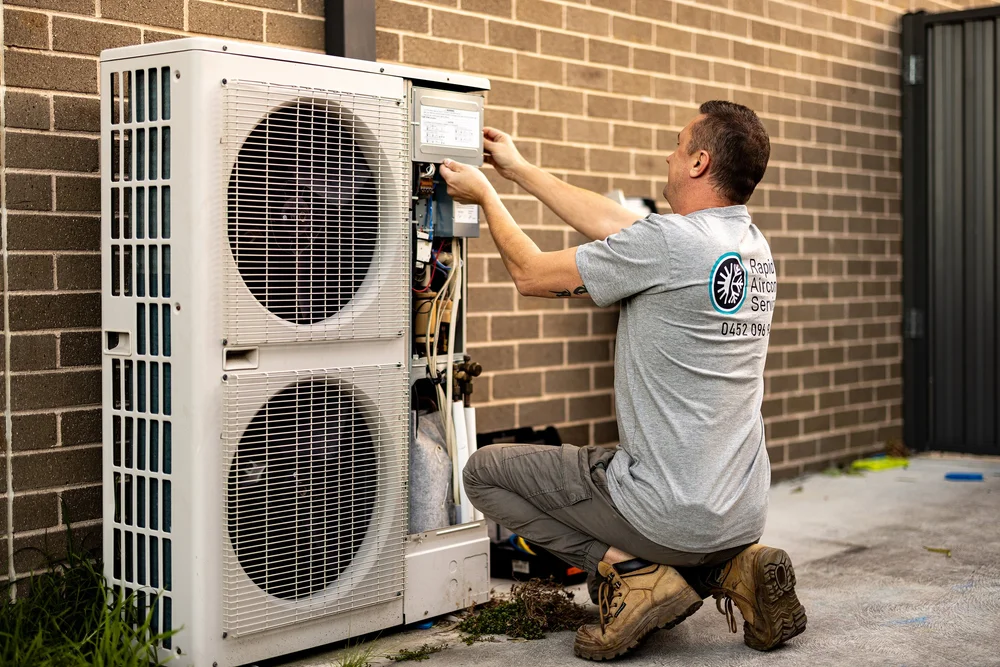
They should prioritise strong dehumidification, a quality inverter compressor, and good airflow control. Humidity is a major comfort factor near the coast and during stormy heat, so “dry mode” that actually works can be more valuable than extra cooling capacity.
Look for sensors and fan control that keep temperatures steady, plus quiet operation for bedrooms. Filters can help, but they are not a substitute for ventilation and regular cleaning.
Is a high energy star rating always worth it?
Usually, yes, but only when matched to how they use it. High efficiency matters most for households that run cooling daily, use multiple rooms, or stay home during the day.
They should compare annual running costs, not just the star label. A slightly higher purchase price can pay back quickly if the system runs for long stretches across summer and humid autumn days.
Should they choose reverse-cycle for year-round comfort?
Reverse-cycle is typically the best all-round option for Sydney. It cools in summer and heats in winter efficiently, often cheaper to run than older resistive heaters.
It also simplifies maintenance and reduces the need for separate appliances. For households with mild winter needs, reverse-cycle can cover both seasons without overcomplicating the setup.
How important are zoning and controls in ducted systems?
They are essential. Zoning lets households cool only the rooms they use, which is often where the real savings come from.
In 2026, they should look for reliable room control, scheduling, and an easy interface that everyone will actually use. The best ducted system can still waste energy if it cools empty rooms all day.
Are smart AC features actually useful?
They can be, if the household will use them. App control helps with scheduling, geofencing, and pre-cooling before peak tariffs, which can reduce costs without sacrificing comfort.
They should still make sure the unit works well without the app. Simple timers, a good remote, and stable Wi‑Fi connectivity matter more than flashy features.
What should they consider for apartments and strata properties?
They should check strata bylaws early, especially for outdoor unit placement, noise limits, and common property rules. Many apartments also have limited balcony space and airflow constraints, which affect performance.
For bedrooms, low noise and gentle airflow matter. For living areas, they should prioritise capacity and placement that avoids blasting air directly onto seating.
How can they avoid common installation mistakes?
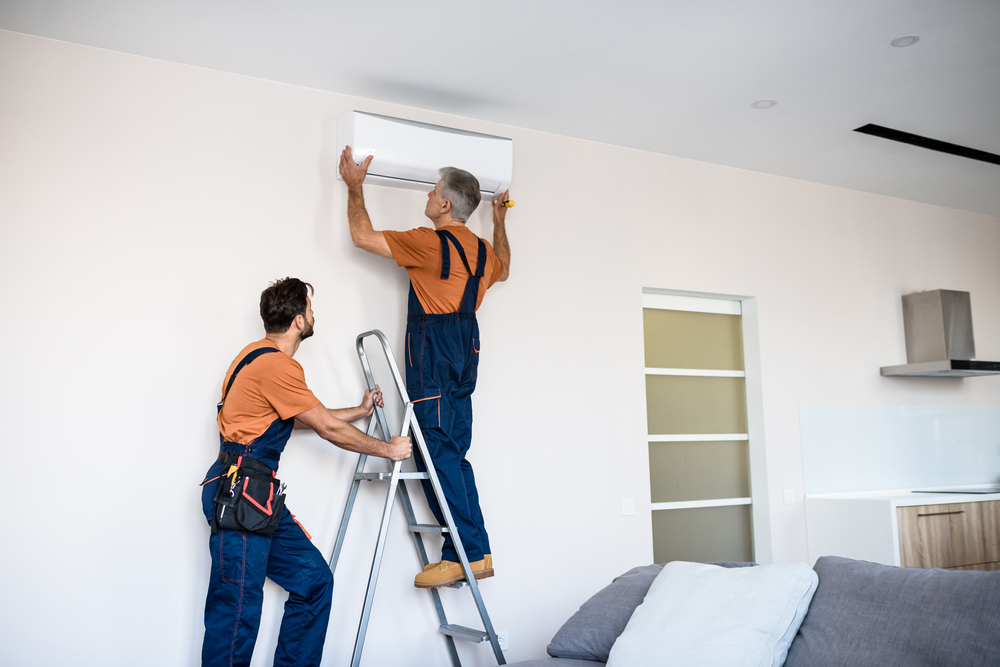
They should choose an installer who sizes properly, places the indoor unit for airflow, and routes piping neatly without unnecessary bends. A good install often matters as much as the brand.
They should also confirm drainage, outdoor unit clearance, and electrical requirements. Skipping these checks can lead to water leaks, noise, reduced efficiency, or early component failure.
What maintenance should they plan for after installation?
They should plan simple, consistent upkeep. Filters typically need cleaning every few weeks during heavy use, and outdoor units should stay clear of leaves and debris.
A professional service every year or two helps keep efficiency high and catches issues early. Homes near the coast may need more attention due to salt exposure.
What is the simplest way to choose the right system?
They should start with the rooms they actually live in, then size for those rooms correctly, then pick the most efficient system that fits the budget. For many Sydney homes, that means one or two high-quality split systems with inverter technology and good humidity control.
If the household truly needs whole-home comfort, ducted with zoning and smart scheduling is usually the best long-term choice, provided the design and installation are done properly.
FAQs (Frequently Asked Questions)
What are the key changes in Sydney’s cooling needs for 2026?
In 2026, Sydney homes face hotter summers, more humid shoulder seasons, and rising electricity prices. Households now prioritise high-efficiency inverter systems, better humidity control, and smarter scheduling to reduce peak-hour energy use. Improved home insulation, double glazing, and solar installations also reduce cooling loads, making smaller, more efficient air conditioners a smarter choice.
How do I choose between split, multi-split, and ducted air conditioning for my Sydney home?
Choose based on how many rooms need cooling and their usage frequency. Split systems suit single rooms or targeted areas; multi-split systems cool multiple rooms without ductwork; ducted systems provide whole-home comfort with a cleaner look. For many Sydney homes, a single split system in the main living area offers the best value. Larger households may benefit from ducted systems with proper zoning.
What is the correct way to size an air conditioner for Sydney homes?
Size your air conditioner for the specific room considering area, ceiling height, insulation quality, window size and sun exposure, plus occupancy. Avoid guessing based on old units. Oversized units cycle frequently causing clammy conditions and wasted power; undersized units run constantly and struggle during extreme heat, especially in west-facing rooms.
Which air conditioner features are most important for handling Sydney’s heat and humidity?
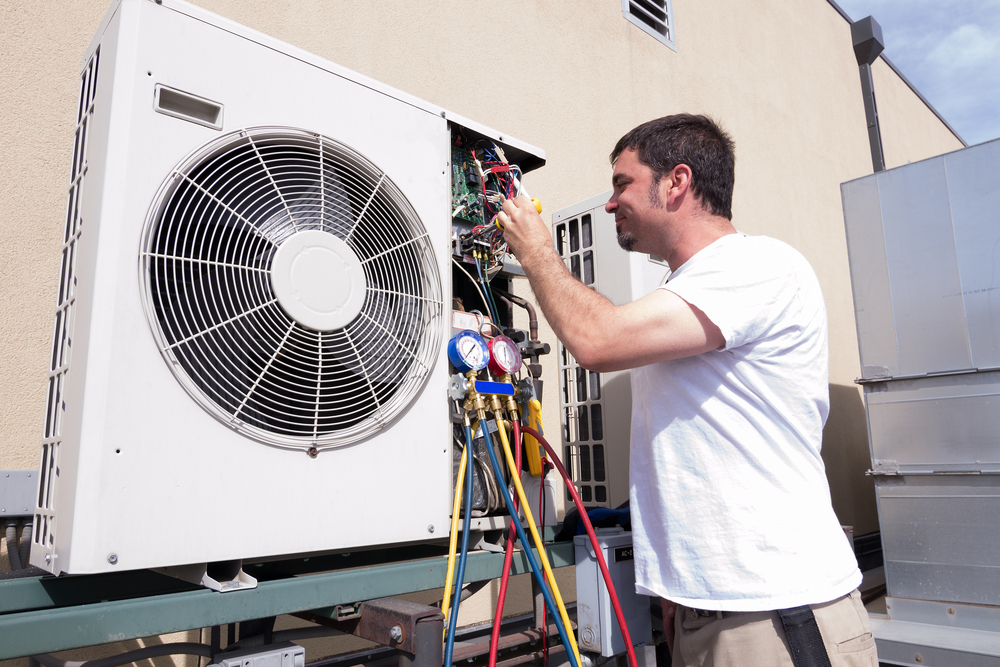
Prioritise strong dehumidification capabilities, a quality inverter compressor for efficiency, and good airflow control. Effective ‘dry mode’ that reduces humidity can be more valuable than extra cooling capacity near the coast or during stormy heat. Look for sensors and fan controls that maintain steady temperatures quietly—especially important for bedrooms.
Is investing in a high energy star rating air conditioner worth it in Sydney?
Usually yes—but only if matched to your usage patterns. High efficiency matters most for households running cooling daily, using multiple rooms or staying home during the day. Compare annual running costs rather than just star ratings; a slightly higher purchase price can pay off quickly over long summer and humid autumn periods.
Why is zoning and controls essential in ducted air conditioning systems?
Zoning allows you to cool only occupied rooms, leading to significant energy savings by avoiding wasteful cooling of empty spaces. In 2026 Sydney homes should seek reliable room controls with easy scheduling interfaces that everyone uses effectively. Without proper zoning and controls, even the best ducted system can waste energy by running unnecessarily.
naked link 4 Signs You Need Air Conditioning Repairs Hills District Before Peak Summer